When people are first diagnosed with cancer, much of the information they receive focuses on treatment plans, medications, and appointments. Those things are important. But many people say there are also quieter, more personal changes that no pamphlet fully prepares them for.
Over time, certain experiences come up again, and again in conversations with people who have been through treatment.
Many people expect to feel tired during treatment. What can be surprising is the depth of fatigue that sometimes comes with it.
It can be the kind of exhaustion that lingers even after sleep. Everyday tasks like showering, cooking a meal, or tidying the house may suddenly require more energy than expected.
This kind of fatigue is not laziness or lack of motivation. It is often the body responding to treatment and focusing its energy on healing. Learning to rest, pace activities, and accept help can become an important part of caring for yourself during this time.
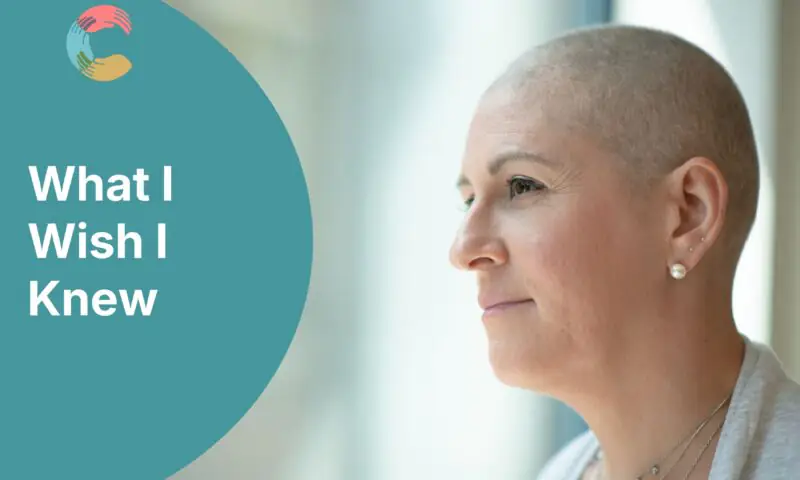
Cancer treatments can sometimes bring visible changes to the body. Hair loss, sensitive skin, scars, weight fluctuations, or hormonal shifts can all be part of the experience for some people.
For many, these changes affect more than appearance. They can also influence confidence, identity, and the way someone relates to their body.
People often describe needing time, and compassion for themselves, as they adjust to these changes and gradually reconnect with how they see themselves.
Some people notice changes in their concentration or memory during treatment, sometimes referred to as “chemo brain.”
This can look like losing a train of thought mid-conversation, forgetting why you walked into a room, or struggling to find the right word. For those who have always relied on feeling mentally sharp and organised, this can be frustrating.
The encouraging news is that many people find these changes improve over time, and simple strategies such as writing things down or slowing the pace of the day can help in the meantime.
A cancer diagnosis often affects more than the individual. Partners, family members, and friends are also navigating new emotions and roles.
Some partners step into caregiving roles. Daily routines may change. Conversations may become more serious or more frequent.
While this can bring challenges, many people also describe finding deeper understanding and connection with the people around them as they move through treatment together.
One of the most powerful reflections shared was about expectations around strength.
Many people feel pressure to stay positive or to present themselves as a fighter at all times. But the reality is that treatment can bring a wide range of emotions: hope, fear, frustration, sadness, and resilience, often all in the same week.
Allowing space for those feelings can be an important part of coping.
Many people also find that having the right kind of support alongside medical treatment can make the journey feel less overwhelming.
Through the programmes available on the Cancer Support NZ website, people living with cancer can access gentle, supportive spaces designed to help care for both body and mind. These include practical wellbeing sessions, restorative movement such as yoga and relaxation practices, and opportunities to connect with others who understand the experience of a cancer diagnosis.
These programmes are designed to sit alongside medical care, offering moments to rest, learn new ways to manage side effects, and reconnect with yourself during a time when life can feel dominated by appointments and treatment.
For some people, simply knowing there is a place where they are understood, and where support is available, can make a meaningful difference.
If you or someone you care about is living with cancer, you can explore the programmes and support available on our website and find what feels right for you, one step at a time.
The Impacts of Cancer Care on Family, Friends and Informal Carers Cancer is often described as a personal journey. In...
Read more

Media Release: 12 May There’s nothing more sobering than cancer: Go Dry This July for Cancer Support Registrations for 2026...
Read more
Cancer and Employment: The Workplace Challenge We Don’t Talk About Enough A cancer diagnosis does not arrive at a convenient...
Read more
Join our community and stay up to date on our latest programmes, resources, news and events.
Cancer Support New Zealand — home of the Look Good Feel Better programme — Learn more