
Friends and whānau support

For friends and whānau supporting someone through cancer can feel overwhelming. You want to be there in the right way, but it’s not always clear what helps, what to say, or how to support yourself at the same time. The truth is, there’s no perfect way to do this, just small, steady ways of showing up that can make a real difference. We’re here to support both of you.

Supporting someone through cancer

We welcome friends and whānau to join participants at our free sessions as a support person, whether that’s attending a community class or connecting online from home.

You’re also welcome to sit in on our online classes, including Expert Q&As sessions. These spaces can offer reassurance, practical tools, and a chance to feel a little more grounded, together.

Alongside this, a range of our services may support you too. From on-demand videos covering breathing techniques, self-massage, and ways to feel calmer, as well as our Cancer Conversations podcast, these are here to help you navigate the emotional side of supporting someone you care about.

What support can look like

There’s no single “right” way to support someone through cancer. What matters most is showing up in a way that feels steady, kind, and real.

Some of the most helpful things you can do include:

  • Be present – you don’t need to fix it or have the right words. Listening and simply being there matters
  • Offer specific help – practical support like driving to appointments, cooking meals, or helping with everyday tasks can ease the load
  • Respect their energy – some days they may want company, other days they may need space
  • Keep checking in – even if they don’t always respond, knowing you’re there is important
  • Take the pressure off – small details, like not needing to return containers, can mean more than you think

Supporting someone can also mean helping them feel a little more in control, whether that’s giving them choices, respecting what they feel up to, or supporting routines that bring comfort.

One of the most powerful ideas shared in our sessions is “sitting in the mud”, being alongside someone in the reality of what they’re going through, without trying to fix it or rush them through it. You don’t have to change it to make a difference.

What you can do to look after yourself

Supporting someone through cancer can take a real emotional toll. Many people find it more challenging than they expected, especially when you’re balancing your own life alongside caring for someone else.

Looking after yourself isn’t stepping away; it’s what helps you keep showing up in a way that feels steady and sustainable.

You might find it helpful to:

  • Take small breaks where you can—rest, go for a walk, or just have a moment to yourself
  • Talk to someone you trust about how you’re feeling
  • Join a session or watch a video that helps you feel calmer or more grounded
  • Give yourself permission to not have all the answers
  • Stay connected to parts of your life that are yours, outside of cancer

Even small moments of care can make a difference.

Getting started

If you’re not sure where to begin, you can simply join a session with your person and sit in and listen.

You can book on behalf of someone you care about, or refer them to us, and we’ll gently guide them through what’s available.
See our participants stories

See our participants stories

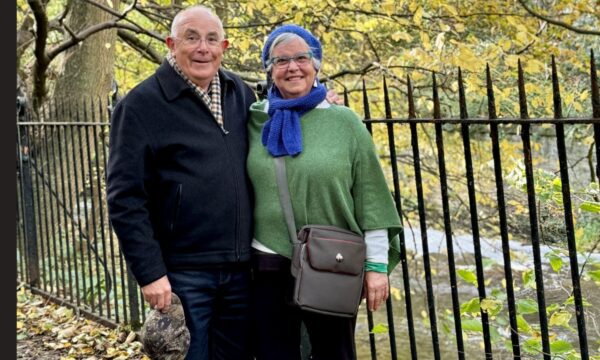
“I don't know of anything which is really directed at a carer. Rightly so, it's directed at the person who has undergone the treatment. The carer is the person who is to the side of that. Sometimes it's possible to feel quite excluded. As a carer, Cancer Support New Zealand has helped me to connect with my wife in a special and unique way.”

Neil, husband and carer

Frequently asked questions

plus minus What’s the most helpful thing I can do for someone with cancer?

Being there consistently matters most. Listening, checking in, and offering practical help can make a real difference. Support is often strongest at diagnosis and in the early stages of treatment, but it can fade over time, especially once treatment ends. This is often when someone may need support just as much as they adjust to what comes next.

plus minus What if I don’t know what to say?

That’s completely okay, and very common. You don’t need the perfect words to be supportive. You can say exactly that: “I don’t know what to say, but I’m here.” What matters most is your presence, your willingness to listen, and letting them lead the conversation.

plus minus Should I keep checking in if they don’t respond?

Yes. There may be times when they don’t have the energy to reply, but that doesn’t mean they don’t appreciate hearing from you. A simple message to say you’re thinking of them can be comforting and helps them feel remembered, without any pressure to respond.

plus minus How can I help without being intrusive?

Offering specific, simple help can make it easier for them to say yes. Instead of “Let me know if you need anything,” try something like “I can drop off dinner on Thursday” or “I’m free to drive you to your appointment.” Give them the option to accept or decline, and respect their space while staying gently available.

plus minus What if they seem different or pull away?

Cancer and treatment can affect mood, energy, and how someone relates to others. They may seem quieter, more withdrawn, or not like themselves. This is often a normal response to what they’re going through. Try not to take it personally, just keep showing up in small, consistent ways.

plus minus Is it okay to feel overwhelmed as a supporter?

Yes. Supporting someone through cancer can be emotionally and physically demanding, especially alongside your own responsibilities. Feeling overwhelmed doesn’t mean you’re not coping, it means you care. Taking time to look after yourself is important and helps you stay steady to continue sustainably supporting them.

plus minus When should I encourage them to seek more support?

If they seem persistently overwhelmed, withdrawn, anxious, or unable to manage day-to-day life, it may help to gently suggest additional support. This could be through their healthcare team, a counsellor, or a support service. You don’t have to carry everything on your own.

plus minus Can I access support through Cancer Support NZ too?

Yes. Many of the sessions, resources, and tools available through Cancer Support NZ are there for you as well. Whether it’s joining a session, watching an on-demand video, or simply learning more about what to expect, these can help you feel more informed, supported, and better equipped to care for someone you love.

Stay Connected

Join our community and stay up to date on our latest programmes, resources, news and events.