
Comprehensive Cancer Care

Comprehensive cancer care is a way of thinking about all the different types of support that may be available to you. It recognises that while treatment is important, so too are the things that help you stay informed, maintain your wellbeing, build confidence and allow you to continue doing the things that matter to you. 

What Is Comprehensive Cancer Care?

When you’re affected by cancer, you may come across lots of different services, programmes and sources of support. It isn’t always easy to understand how they fit together or where organisations like Cancer Support New Zealand sit alongside your healthcare team.

Comprehensive cancer care is simply a way of understanding the different types of support that may be available during and beyond cancer.

Your doctors, nurses and specialist teams provide clinical care and treatment. Alongside this, many people also access rehabilitation, supportive services and community-based programmes that help them stay informed, maintain their wellbeing, build confidence and connect with others who understand what they’re going through.

These different types of care and support can work together around you, helping ensure you have access to the support that’s right for you at different points in your cancer experience.

Different types of support, working together

No two people experience cancer in exactly the same way.

You might be focused on treatment. You might be looking for practical information. You might want support to stay active, build confidence, connect with others who understand, or simply learn more about what’s available.

All of these things can be part of cancer care.

We often think about cancer support in three connected areas.
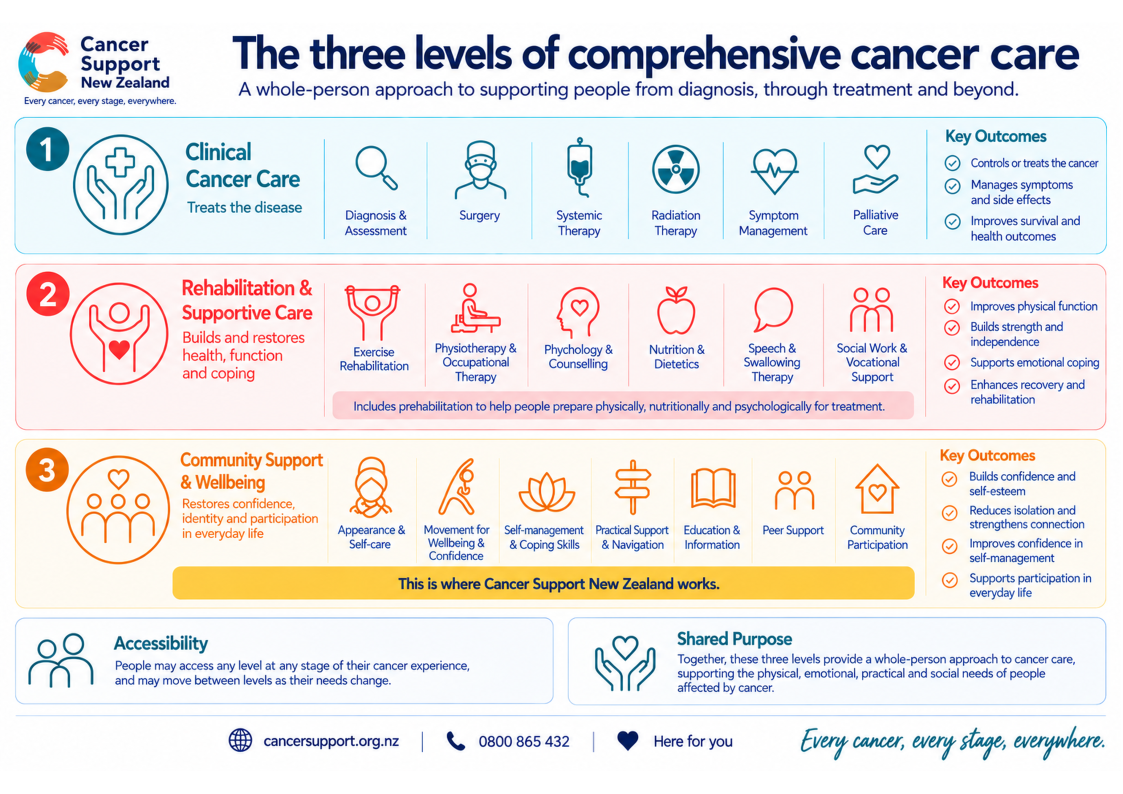
Comprehensive Cancer Care - Comprehensive Cancer Care

Clinical Cancer Care

This is the care provided by your medical team.

It includes things like diagnosis, treatment, symptom management and ongoing medical care.

Your doctors, nurses and specialists work together to treat the cancer and support your health throughout treatment and beyond.

Rehabilitation and Supportive Care

Sometimes extra support can help you maintain your wellbeing, strength and confidence during and after treatment.

This might include services such as physiotherapy, exercise programmes, nutrition support, counselling, psychology, occupational therapy or social work support.

These services help many people stay active, manage changes that may come with treatment and continue doing the things that matter most to them.

Living Well and Community Connection

This is where Cancer Support New Zealand sits.

Our role is to provide practical, non-medical support that complements the care you receive from your healthcare team.

That might mean helping you find trusted information, learn practical skills, connect with others who understand, explore wellbeing programmes, or access support that helps you feel more confident and informed.

For some people, these services become a valuable source of connection, encouragement and practical guidance throughout their cancer experience.

You Don’t Need To Figure It All Out Yourself

One of the challenges of cancer can be simply knowing what support is available and where to start.

The good news is that there are many people, services and organisations ready to help.

The different parts of comprehensive cancer care aren’t separate pathways. They work best when they work together, helping ensure you can access the support that’s right for you, when you need it.

At Cancer Support New Zealand, we’re here to help you navigate that support, connect with others and access practical programmes and resources that can help you live well during and beyond cancer.

Read more

Frequently asked questions

plus minus What do you mean by comprehensive cancer care?

Comprehensive cancer care means looking at the whole experience of cancer, not just the treatment itself.

Medical treatment is an important part of cancer care, but many people also access other forms of support that help them stay informed, maintain their wellbeing, build confidence, connect with others and navigate everyday life during and beyond cancer.

plus minus Isn't cancer care just treatment?

Treatment is a vital part of cancer care, but it is only one part.

Many people also benefit from rehabilitation services, practical support, trusted information, movement and wellbeing programmes, and opportunities to connect with others who understand what they are going through.

These different types of support can work alongside your medical care.

plus minus Why are there different types of cancer support?

Because every person experiences cancer differently.

At different times, you may need different kinds of support. Sometimes that support comes from your healthcare team. Sometimes it comes from rehabilitation services, community organisations or support programmes.

Having access to different types of support means you can find what is most helpful for you.

plus minus What are the three levels of comprehensive cancer care?

Comprehensive cancer care brings together three different areas of support:

Clinical Cancer Care

  • Diagnosis and assessment
  • Surgery
  • Chemotherapy and drug therapies
  • Radiation therapy
  • Symptom management
  • Palliative care

Rehabilitation and Supportive Care

  • Physiotherapy
  • Exercise rehabilitation
  • Nutrition support
  • Counselling and psychology
  • Occupational therapy
  • Social work and vocational support

Living Well and Community Connection

  • Practical information and education
  • Wellbeing programmes
  • Movement and exercise
  • Self-management tools
  • Peer connection
  • Community-based support

Together, these areas help support people throughout their cancer experience.

plus minus Where does Cancer Support New Zealand fit?

Cancer Support New Zealand sits within the Living Well and Community Connection part of comprehensive cancer care.

We provide practical, non-medical support that complements the care you receive from your doctors, nurses and wider healthcare team.

Our programmes focus on helping people access trusted information, connect with others, build confidence and learn practical skills that support wellbeing during and beyond cancer.

plus minus Do I need a referral to access support?

Not usually.

Many community support services, including Cancer Support New Zealand programmes, can be accessed directly without a referral. Your healthcare team may also suggest services that could be helpful for you

plus minus When should I access support?

Whenever it feels right for you.

Some people look for support soon after diagnosis. Others seek support during treatment, after treatment finishes or while living with cancer longer term.

There is no right or wrong time. Support should be available when you need it.

plus minus Do I have to choose between different types of support?

No. Many people access several types of support at the same time.

For example, someone may be receiving treatment from their oncology team, seeing a physiotherapist, and attending a Cancer Support New Zealand programme.

These services are designed to complement one another.

plus minus What if I don't know what support I need?

That’s completely okay.

Many people start by simply exploring what is available.

You do not need to have everything figured out. Sometimes a conversation, a programme, a resource or a recommendation from someone else can help you discover support that you hadn’t considered before.

Our role is to help make finding support easier.

plus minus Is comprehensive cancer care only for people in treatment?

No. People may access different types of support before, during and after treatment, and some people continue to access support while living with cancer longer term.

Comprehensive cancer care recognises that people’s needs can change over time and that support should be available throughout the cancer experience.

plus minus Can my family or support person access support too?

Yes. Cancer affects more than one person. Family members, whānau, partners, friends and carers often have questions of their own and may also benefit from information, resources and support.

Many services welcome support people alongside the person with cancer.

plus minus Will I need every type of support?

Not at all. Some people may only use one or two services. Others may access a range of support throughout their cancer experience.

What matters most is knowing that support is available and choosing the options that feel right for you

plus minus How can Cancer Support New Zealand help?

Cancer Support New Zealand provides free practical, non-medical support for people affected by cancer across Aotearoa New Zealand.

We offer community and online programmes, trusted information, wellbeing support, expert-led sessions, videos, podcasts and opportunities to connect with others who understand what you are going through.

Our goal is simple: to help you feel informed, supported and connected throughout your cancer experience.

plus minus Why are you showing me this?

Cancer support can sometimes feel confusing and overwhelming. We created this page to help make sense of the different services and support available, and to reassure you that you don’t need to navigate it all on your own.

What our participants have shared

“The presenter was very warm and genuine, easy to listen to her instructions, and made everyone feel included. Very thankful these support groups exist for people like myself going through a difficult life journey.” 

Stay Connected

Join our community and stay up to date on our latest programmes, resources, news and events.