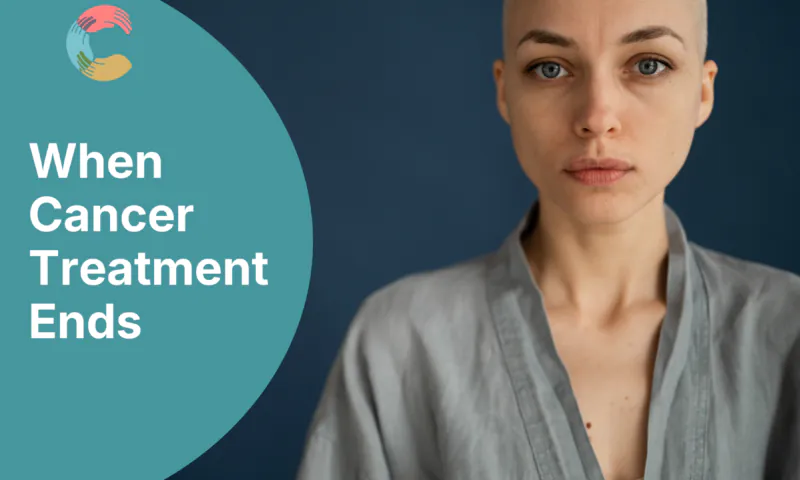
For many people, the day cancer treatment ends is expected to be a turning point. Everyone celebrates. The final appointment is marked as a milestone. There is often an unspoken assumption that life can begin to return to normal.
Yet for many people affected by cancer, the end of treatment is not the end of the cancer experience.
The IPSOS Cancer Wellbeing Tracker, commissioned by Cancer Support New Zealand, highlights an important reality: wellbeing challenges frequently continue long after treatment has finished. Many people report ongoing emotional, physical and practical impacts that can affect their quality of life for months or even years. The research identified that wellbeing often remains lower among those with long-term diagnoses and younger women aged 35–54, suggesting that recovery is rarely as straightforward as many people expect. In fact, 42% of Cancer Sufferers say their wellbeing is worse now than before their diagnosis, while just 26% say it is better and 33% say it has stayed about the same.
This raises an important question for New Zealand’s healthcare system: what does recovery actually look like?
Historically, cancer care has been centred around diagnosis, treatment and monitoring. These clinical interventions are essential and save lives. However, as treatment outcomes improve and more people live longer following a cancer diagnosis, increasing attention is being paid internationally to survivorship care.
Survivorship recognises that cancer can have lasting impacts beyond the disease itself. Fatigue may persist long after treatment finishes. Confidence can take time to rebuild. Relationships may change. Returning to work can feel overwhelming. Some people experience anxiety around recurrence, while others struggle to reconnect with activities and identities that once felt familiar.
The research suggests these challenges are not isolated experiences. They are shared by many people navigating life after cancer.
One of the most significant findings from recent wellbeing research is that support extending beyond clinical treatment can make a meaningful difference. Access to exercise, emotional support, wellbeing programmes, peer connection and practical self-management strategies all contribute positively to quality of life. People who feel connected, informed and supported generally report stronger wellbeing outcomes than those attempting to navigate recovery alone. Among Cancer Sufferers who use non-medical supports such as these, 89% report a positive impact on their wellbeing, with over half (55%) reporting an improvement in their emotional wellbeing specifically.
This mirrors trends being seen internationally. Healthcare systems are increasingly recognising that successful cancer care is not measured solely by survival rates. It is also measured by how well people can live during and after treatment.
As the number of people living with and beyond cancer continues to grow, the conversation about what happens after treatment becomes increasingly important. Survivorship is no longer a niche issue. It is becoming one of the defining challenges of modern cancer care.
For organisations providing community-based support, this represents both an opportunity and a responsibility. People need services that help them rebuild confidence, manage the emotional impacts of cancer, return to meaningful activities and reconnect with others who understand their experience.
Finishing treatment is a significant milestone. But for many people, it is also the beginning of a new chapter, one that deserves support, understanding and investment in its own right.
The IPSOS Cancer Wellbeing Tracker reinforces a growing international understanding that quality cancer care extends beyond clinical treatment alone.
Cancer Support New Zealand is proud to be part of that broader response. Our programmes are specifically designed to address many of the wellbeing factors identified in the research, helping people affected by cancer access support, build social connections, stay active, gain practical knowledge and improve their overall quality of life.
As more New Zealanders live with and beyond cancer, ensuring access to these forms of support will be an increasingly important part of helping people not just survive cancer, but live well beyond it.
Learn more about our survivorship and wellbeing programmes by exploring our website.

Cancer has a ripple effect, with people who support or care for a patient, often experiencing mental health issues. Which...
Read more
Understanding the working cancer patient and what they face in the working environment is an important part of whole-person cancer...
Read more
The Quiet Psychology of Cancer Survivorship There’s a version of cancer survivorship that the world understands well. It’s visible, public...
Read more
Join our community and stay up to date on our latest programmes, resources, news and events.
Cancer Support New Zealand — home of the Look Good Feel Better programme — Learn more