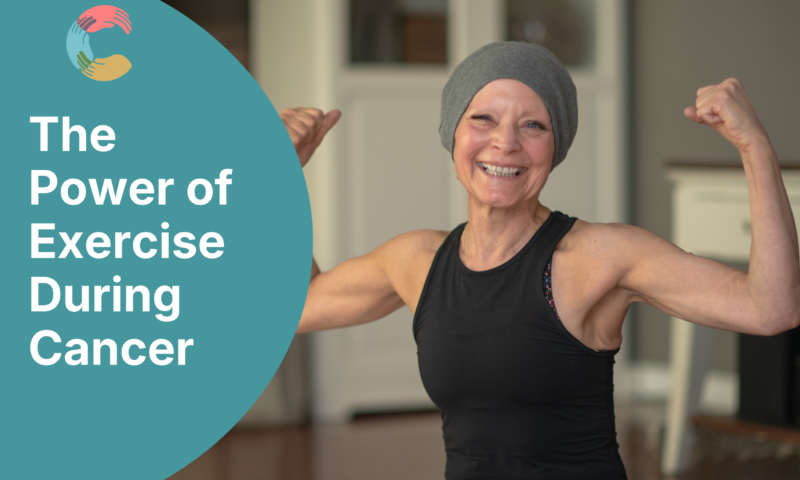
When people hear the word exercise during cancer treatment, their first reaction is often disbelief.
Many people are experiencing fatigue, pain, reduced mobility or treatment side effects. Exercise can feel like the last thing they have energy for.
Yet the evidence tells a remarkable story.
The Ipsos Cancer Wellbeing Tracker, commissioned by Cancer Support New Zealand, identified exercise as the activity with the greatest positive impact on wellbeing among people affected by cancer. It consistently ranked ahead of many other wellbeing interventions. In fact, when asked what one non-medical thing had the biggest impact on their wellbeing, a quarter of Cancer Sufferers (26%) named exercise — nearly double the next most common answer, spending time with family and friends (14%).
This finding aligns with a substantial body of international research exploring the relationship between physical activity and cancer outcomes.
Exercise has been shown to improve energy levels, enhance mood, support sleep, reduce anxiety and help people maintain physical function during and after treatment.
Among Cancer Sufferers who use complementary therapies such as yoga or Pilates, 89% report a positive impact on their wellbeing overall, including better stress management (38%) and increased energy levels (30%).
Importantly, exercise in this context is not about athletic performance.
It is about movement.
For one person it may mean returning to the gym. For another, it may mean walking around the block, gardening, stretching or participating in a guided exercise programme.
The challenge is that many people affected by cancer remain unsure about what is safe, appropriate or achievable for them.
This uncertainty can become a barrier.
Healthcare providers and support organisations increasingly recognise the need to make exercise more accessible, less intimidating and more clearly integrated into supportive cancer care.
The growing evidence base suggests exercise should not be viewed merely as a lifestyle recommendation.
It should be recognised as a valuable component of wellbeing support.
As cancer care continues to evolve, movement may become one of the most important tools available to help people recover, rebuild confidence and improve quality of life.
Sometimes the most powerful interventions are also the simplest.
Explore our body support programmes to find movement classes that support cancer wellbeing.
Why am I still so tired, and what can help? There is tiredness, and then there is cancer-related fatigue. You...
Read more
New research published in The Lancet Oncology Commission: The Human Crisis in Cancer shines a stark light on what many people already...
Read more
The Growing Need for Survivorship Support in New Zealand For many people, the day cancer treatment ends is expected to...
Read more
Join our community and stay up to date on our latest programmes, resources, news and events.
Cancer Support New Zealand — home of the Look Good Feel Better programme — Learn more