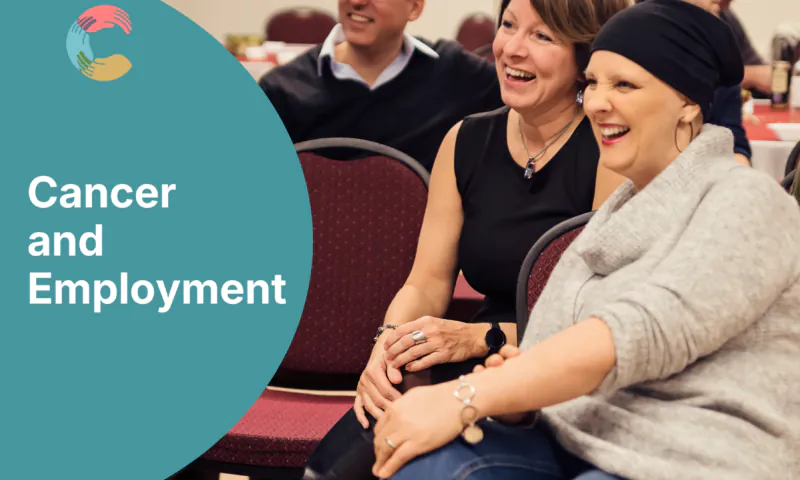
A cancer diagnosis does not arrive at a convenient time.
People are often diagnosed while managing careers, mortgages, family responsibilities and financial commitments. For many, work is not simply an income source—it is a source of identity, purpose, routine and social connection.
The Ipsos Cancer Wellbeing Tracker, commissioned by Cancer Support New Zealand, identified workplace challenges as a significant component of the cancer experience. For both people with cancer and their supporters, balancing employment and health-related needs can be incredibly difficult. Among Cancer Sufferers who worked during treatment, physical health issues such as fatigue were the biggest challenge (65%), while for main supporters, mental health and emotional wellbeing was the top challenge (65%), followed closely by work and career pressures (60%).
Some people continue working throughout treatment. Others reduce hours, take extended leave or leave employment altogether. Many experience uncertainty about how much information to share with employers and colleagues, or worry about the impact of their diagnosis on career progression.
Supporters face similar challenges.
Partners, adult children and caregivers often need flexibility to attend appointments, provide care and respond to changing health needs. These responsibilities can create significant workplace and financial pressures.
One of the emerging conversations in cancer care internationally is the concept of “financial toxicity”, the economic burden associated with cancer. Lost income, increased expenses and reduced workforce participation can all contribute to additional stress during an already challenging time. Paid leave and financial assistance are consistently the most desired forms of workplace support and the least likely to be provided — for main supporters, 40% want paid leave options but only 20% receive them.
The effects can be particularly pronounced for working-age adults who may still be supporting children, paying mortgages or planning for retirement.
The research suggests that supportive workplaces can play a meaningful role in improving wellbeing outcomes. Understanding managers, flexible work arrangements, phased returns to work and supportive organisational cultures can all help people remain connected and engaged during treatment and recovery.
Importantly, the conversation about work should not focus solely on productivity.
It should focus on people.
Maintaining employment can help preserve confidence, social connection and a sense of normality during a period when much of life feels uncertain.
As more New Zealanders live with and beyond cancer, employers will increasingly become important partners in supporting wellbeing and recovery.
Cancer may happen outside the workplace.
But its impact is often felt within it.
Explore our workplace support resources.

What you made possible Our Impact Report 2026 | Cancer Support NZ is here, and behind every number is a...
Read more
The Impacts of Cancer Care on Family, Friends and Informal Carers Cancer is often described as a personal journey. In...
Read more

There’s a moment that doesn’t get talked about enough. Not the diagnosis, nor the treatment plan, but rather the moment you...
Read more
Join our community and stay up to date on our latest programmes, resources, news and events.
Cancer Support New Zealand — home of the Look Good Feel Better programme — Learn more